What is a Pipe Racking System
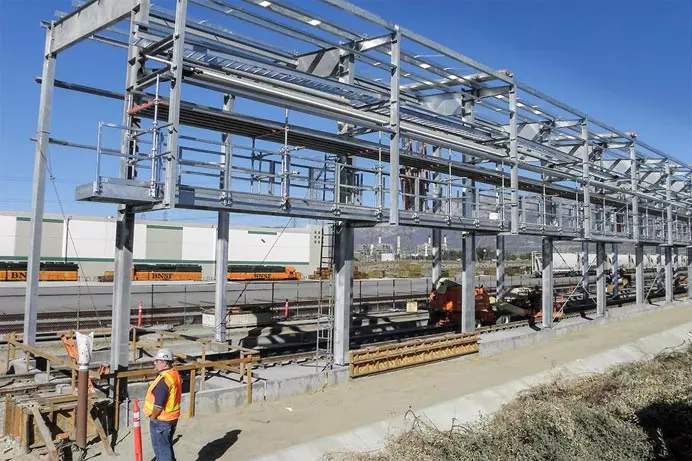
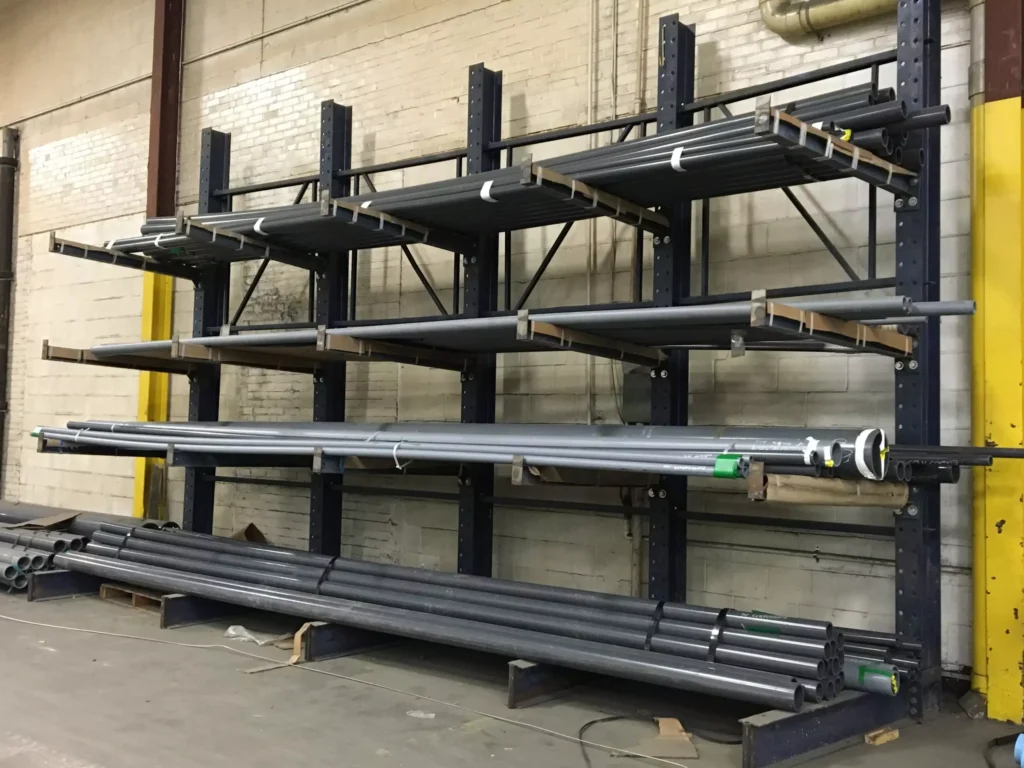
A pipe rack (or pipe racking system) is a structural framework designed to support and organize pipes, cables, and associated equipment (valves, trays, etc.). These are common in industrial plants like petrochemical, power, chemical, manufacturing, and utility facilities. They help:
-
keep piping organized and accessible
-
protect pipes from damage
-
allow maintenance access
-
support the weight of the piping plus associated loads (insulation, fluid inside, etc.)
Types of Pipe Racks
Here are several types / styles you’ll see in practice:
| Type | Description |
|---|---|
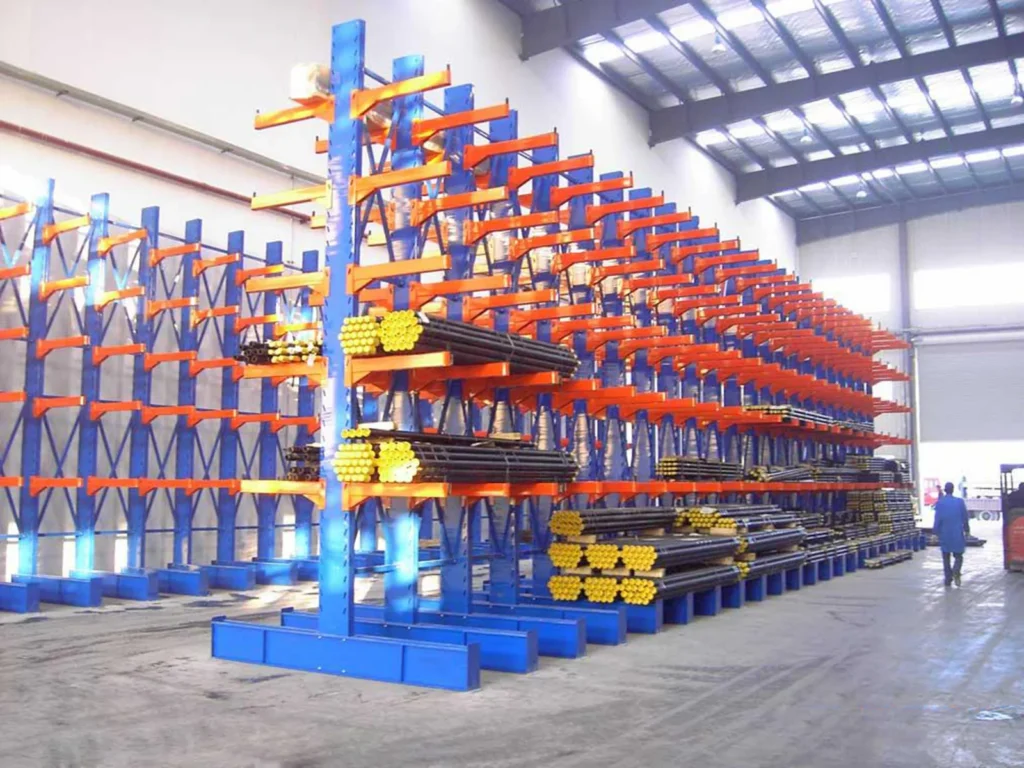
| Modular / Pre-engineered | Frameworks built from standardized components (steel towers, beams, braces) that can be adapted, prefabricated, and assembled quickly. Example: ErectaRack. |
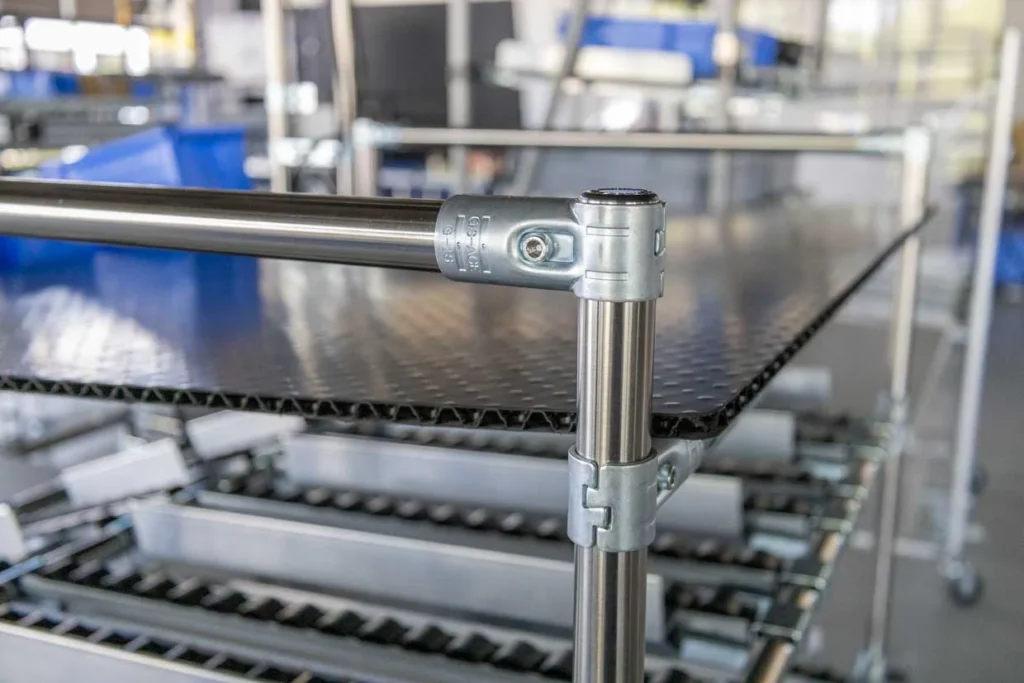
| Steel Pipe Racking for Lean Production | Systems using steel pipes & joints that are flexible, modular, used for workstations, flow racks, transport trolleys, etc. |
| Aluminum / Steel Joint & Pipe Systems | More lightweight systems (often for lighter loads) using colored or coated tubes/pipes, with joints allowing assemblies and re-configuration. |
Key Components of Pipe Rack Systems
-
Frames / Supports: Vertical columns (also called bents) connected at intervals by horizontal beams. They carry load to the foundation.
-
Transverse & Longitudinal Beams: Beams running across and along the rack, supporting the pipes and distributing load.
-
Bracing: Lateral and longitudinal bracing for rigidity. Helps resist wind, seismic loads, etc.
-
Pipe Supports and Saddles: Means by which individual pipes rest / are fixed (e.g. saddles, clamps). Allows thermal expansion, supports, spacing.
-
Connections / Joints (for modular systems): With bolts, joints, possibly without welding, to allow reconfiguration or easier assembly.
Design Considerations & Loads
When designing a pipe rack, engineers must consider various loads and factors. Some of these are:
| Load Type | What to account for |
|---|---|
| Dead Loads | Weight of the pipes themselves, insulation, valves, fittings, etc. |
| Operating Loads | Fluid inside the pipes, product load, thermal expansion, etc. |
| Test / Hydrostatic Loads | When pipes are pressure tested, added load from the test medium. |
| Live Loads | Maintenance access platforms, workers, walkways on racks. |
| Environmental / Dynamic Loads | Wind, seismic (earthquake), thermal movement, vibration. |
Other factors include:
-
Clearances (for maintenance, insulation, future expansion)
-
Material selection (steel, aluminum, coatings) based on corrosion, load, cost
-
Foundation and anchorage strength to transfer loads safely to ground.
Standards and Codes
Some common standards / guidelines used in designing pipe racks:
-
ASME B31.1 / B31.3 for process and power piping layouts.
-
Local structural design codes for loads (wind, earthquake)
-
Project / plant-specific standards for safety clearances, pipe routing, materials.
-
Codes for handling thermal expansion, supports, etc.